See your patterns
with more clarity.
Explore the connections between your thoughts, emotions, and responses—with curiosity.
YOUR STORY IS STILL UNFOLDING
Therapy begins with a human connection.
A place to feel heard, get curious, and take your next step.
You can take this at your own pace.
A FACE. A VOICE. A HUMAN CONNECTION.
Choosing a therapist is personal. A complimentary 15-minute conversation gives you space to ask questions and see how it feels to connect.
Rachel’s approach is person-centered, collaborative, and grounded in curiosity, with training in Art Therapy and DBT practices.
Start with a free conversation ↗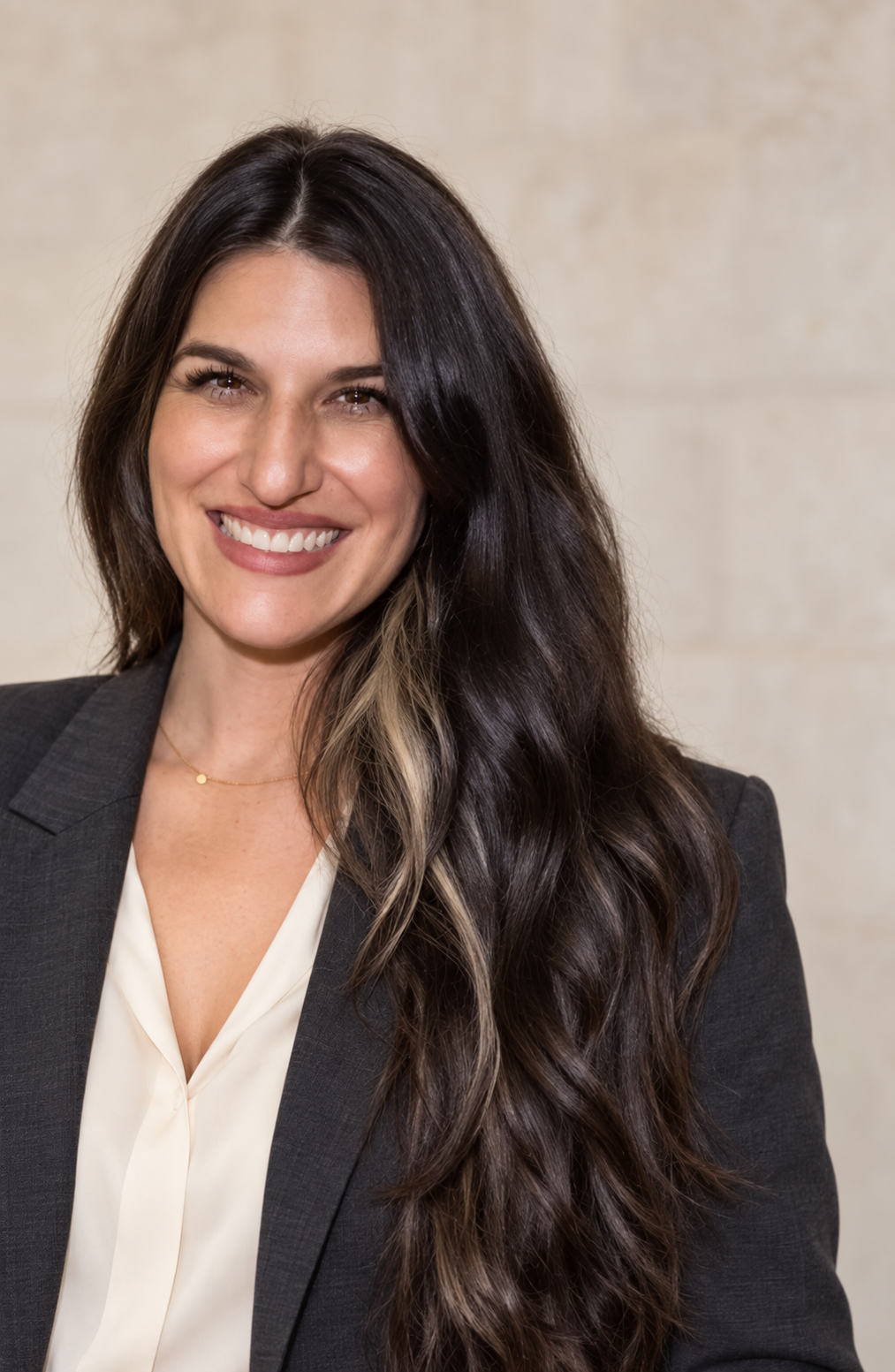
A short introduction to the person behind Therapy Happens.
01 / START WHERE YOU ARE
What’s calling for a little attention? Follow a thread below. There’s no right answer, and you can change direction anytime.
INDIVIDUAL THERAPY
When life feels crowded with expectations, therapy can offer space to notice your own needs, understand patterns, and explore a different way forward.
Where in your day do you most wish you had a little breathing room?
A way to explore, not an assessment. Your selections stay on this page and are not sent to the practice.
A SMALL DISCOVERY ALONG THE WAY
Pick a card. See what it brings to mind.
You don’t have to share your answer with anyone.
02 / THE POSSIBILITY OF THERAPY
Therapy offers a place to explore what’s difficult and practice new ways of responding. Progress is personal, and it can take time.
Explore the connections between your thoughts, emotions, and responses—with curiosity.
Practice communication and explore how you relate to yourself and the people in your life.
Build coping and problem-solving strategies you can bring into everyday situations.
Outcomes vary. Learn more about psychotherapy from the National Institute of Mental Health ↗.
RACHEL CLEVELAND / THERAPY HAPPENS03 / MEET RACHEL
Rachel Cleveland is a Licensed Marriage and Family Therapist who supports individuals and families navigating anxiety, depression, burnout, trauma, relationship challenges, and life transitions.
Her person-centered, trauma-informed approach makes room for your experiences, relationships, and emotions. Drawing on Art Therapy training and Dialectical Behavior Therapy (DBT) practices, she helps clients build mindfulness, emotional regulation, and distress tolerance skills.
Master’s studies in Marriage & Family Therapy and Art Therapy
Notre Dame de Namur University
BA in Art History & Art Education, with an emphasis on Psychology
San Francisco State University
A LITTLE LESS THINKING. A LITTLE MORE PLAY.
Choose a color. Make a mark. Follow it somewhere.
This little canvas is yours to explore—no artistic talent required.
Rachel draws on Art Therapy training to make space for creative expression, alongside DBT practices that focus on mindfulness, emotional regulation, and handling distress.
You could try choosing a color for how the day feels and making a few lines. Notice what you’d like to say about them—or simply leave them as they are. This is an optional example to explore here; Rachel can explain how she uses creative work in sessions.
This canvas has no artistic standard to meet. It’s a space to experiment. Ask Rachel what creative work could involve in therapy and share what feels comfortable to you.
An invitation to play, not an art-therapy session or assessment. Your marks are not interpreted or evaluated.
Explore creative support ↗Your marks stay in this page. Nothing is saved or sent.
A REST STOP ON YOUR JOURNEY
Take a brief pause before you keep exploring. Let your breathing stay natural, and notice the space around you.
Optional. Stop whenever you like. This is not a therapy session.
04 / YOUR JOURNEY, ONE STEP AT A TIME
You don’t need to arrive with everything sorted out. You can begin with questions.
Email or call Rachel to request a complimentary 15-minute consultation. Ask about availability and keep your first message brief; detailed personal history can wait.
Use your 15-minute conversation to ask about Rachel’s approach, fees, and experience with your needs. You can both explore whether working together feels like a good fit.
Together, discuss goals and how sessions could work. Ask how progress will be reviewed and how you can give feedback along the way.
05 / BEFORE YOU BEGIN
No. You can begin by saying what has been on your mind, what feels difficult, or simply that you’re unsure where to start.
Individual therapy, couples counseling, family therapy, Mindfulness Art Meditation, and Personal Concierge Therapy are listed by the practice. Ask Rachel which offering fits your needs.
Therapy Happens describes its concierge approach as personalized care. Ask Rachel what it includes, how scheduling works, and what communication is available between sessions.
Contact Rachel for current fees, session length, payment options, and insurance or reimbursement details before scheduling.
Rachel offers secure, HIPAA-compliant video sessions for clients throughout California. Ask about current availability during your complimentary consultation.
Ask questions about experience, approach, credentials, and goals. You should have space to discuss concerns and decide whether the relationship feels right for you.
YOUR NEXT CHAPTER CAN START WITH HELLO.
Start with a complimentary 15-minute consultation.
Ask questions, meet Rachel, and explore whether you’re a good fit.
View available times and request an appointment through SimplePractice. For a complimentary 15-minute consultation, select that option if listed or contact Rachel to arrange it.
Your request goes to Rachel in SimplePractice.
Wait for confirmation from the practice.
Appointment requests and contact inquiries are handled through SimplePractice.
Rachel confirms requested appointments. Online therapy is available throughout California.
Email is for initial inquiries. Please avoid sending sensitive health information.
Contacting the practice does not establish a therapeutic relationship. This website is not monitored for emergencies.